October 10, 2026


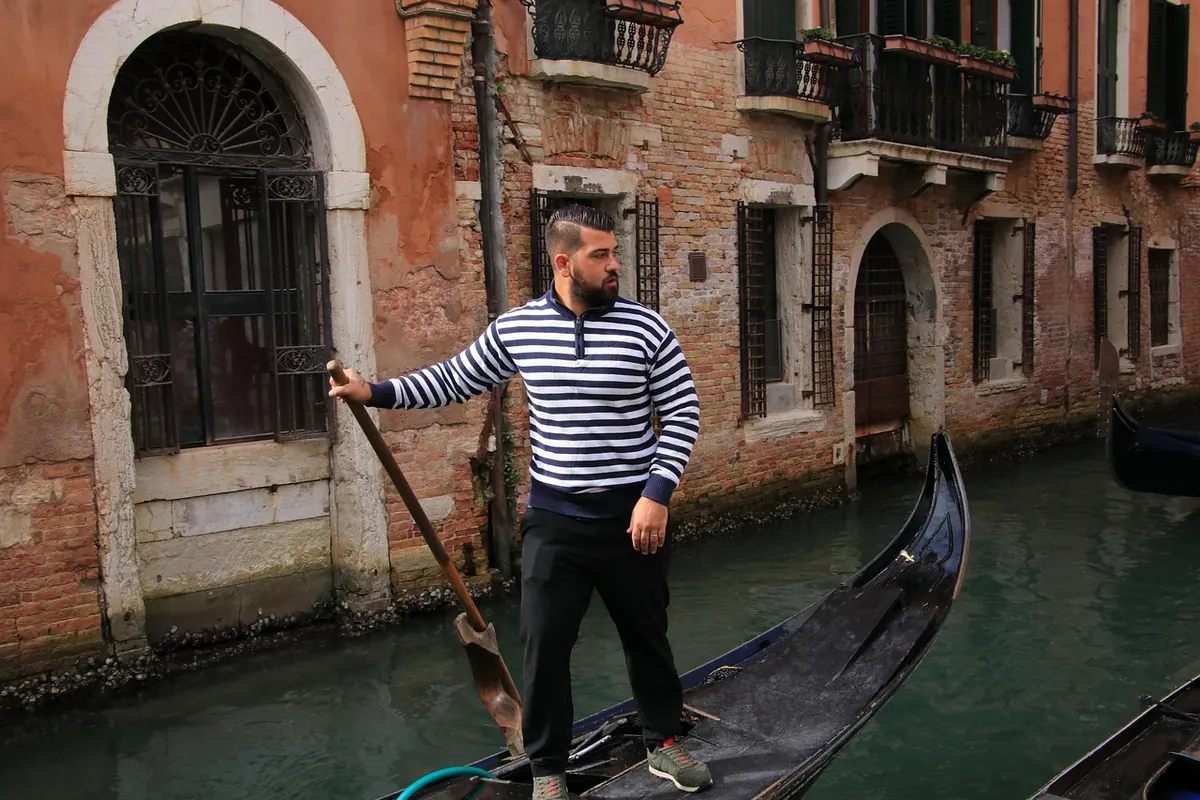
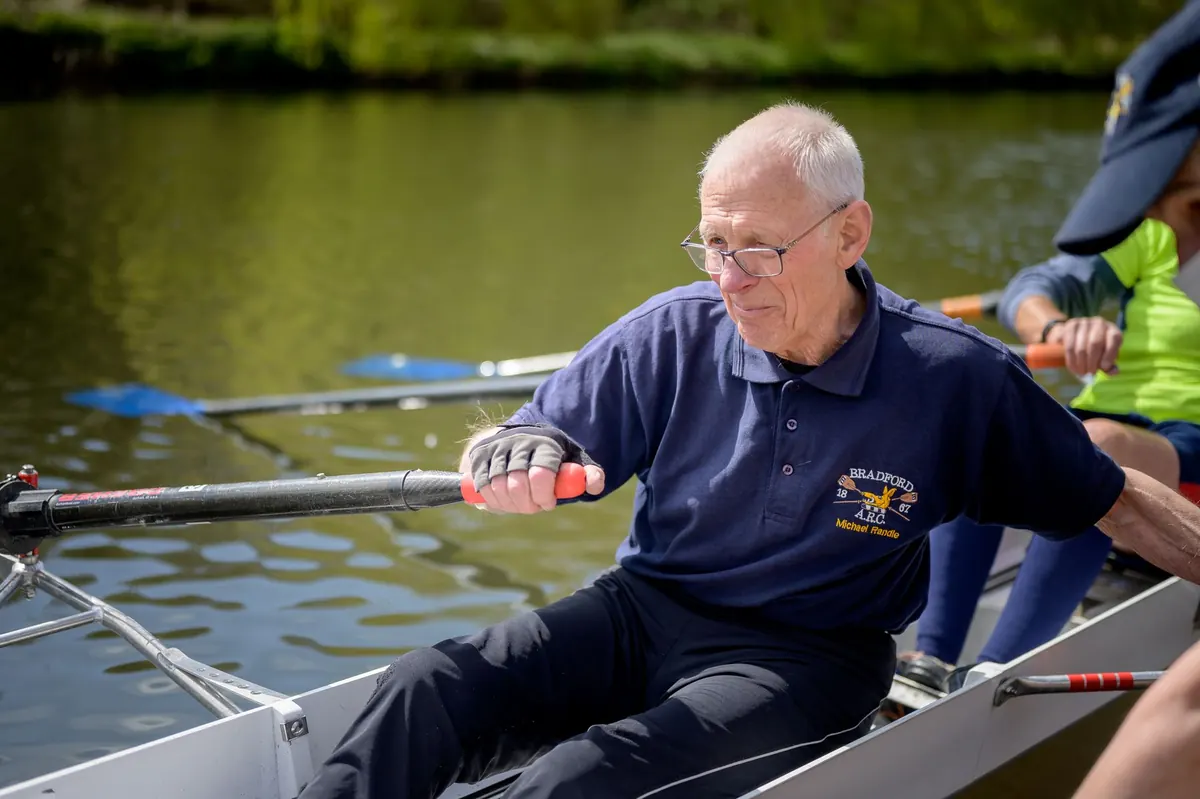
The first time you slide a boat into the water, everything gets quiet except the click of the oarlocks. Before that moment, though, there is a more ordinary challenge: finding the right club and walking through the door. Rowing can look closed from the outside. Boats are expensive, the terminology is strange, and many crews train early. In reality, most rowing communities need new members and are happy to show a beginner the ropes. You do not need to be an athlete already, own any gear, or know the difference between a bow and a stern. You just need curiosity, a little patience, and the willingness to send one email. Here is how to find your crew and get started without overthinking it.
Rowing is not one sport. Before you email every club in the area, decide what you want from it: quiet mornings on a river, a competitive team with a racing schedule, or a low-impact workout that builds strength and endurance. That answer will point you toward the right program.
Two terms matter immediately: sweep and scull. Sweep rowers handle one oar in boats of four or eight, often with a coxswain. Scullers handle two oars in smaller boats. Beginners often start in sweep boats because they are stable and social, but sculling teaches balance and technique quickly. You will also hear about masters rowing for adults, junior programs for teenagers, and recreational clubs that focus on fitness rather than medals. If you are unsure, look for a structured learn-to-row course that starts on land or on ergometers before moving to the water.
Sweep rowing is usually the easier entry point for adults because the boat is wider and the coach can place you between experienced rowers. You learn to match timing, sit tall, and apply power with one oar. Sculling, by contrast, is often taught in singles or doubles. It can feel tippy at first, but it forces you to learn blade control and balance on your own. Many clubs offer both. A good beginner program will not lock you into one style forever; it will let you try sweep first, then scull, or vice versa.
Masters rowing is the catch-all category for adult rowers, typically from age 21 upward. Masters programs range from casual morning rows to highly competitive national championships. Junior rowing serves teenagers and often feeds into college teams. Recreational clubs may emphasize fitness, social rows, and local regattas without the pressure of daily practice. If you travel often or have an unpredictable schedule, ask about flexible membership or drop-in rows.
Be honest with yourself. A competitive club may expect you to attend practices four to six times a week, race in regattas, and train on ergometers in winter. A recreational club may row two or three mornings a week and stop for coffee afterward. Neither is better. The wrong fit, however, can make you feel guilty or bored. If you want both, look for a club with a novice team that races occasionally but does not require year-round commitment.
Rowing hides in plain sight. Clubs sit on rivers, lakes, bays, and reservoirs, but they may not advertise like a gym. Start with a map search for boathouses and rowing centers near you, then widen the search:
Do not limit yourself to the closest club. A thirty-minute drive to a club with a real beginner program may be a better start than a five-minute drive to a club that only welcomes experienced racers. Use search terms like “learn to row,” “masters rowing,” “novice rowing,” and “boathouse” rather than just “rowing club.” If you find a club that is not taking beginners, ask whether they know a program that is. Rowers are usually generous with information, even if they cannot take you themselves.
Once you have a short list, contact the club. A short email is fine: introduce yourself, mention your experience level, and ask about beginner sessions. Before you pay dues or buy gear, ask a few practical questions.
A good learn-to-row program will put you on the water only when you are ready, and it will never make you feel like a burden for asking questions.
That last point matters. Rowing has a steep learning curve, and a club that respects beginners will build your confidence step by step. If a club seems annoyed by your questions or pressures you to commit before you have tried a session, keep looking.
Every club is different, but most beginner programs follow a similar arc. You will spend time on land learning the stroke on a rowing machine, also called an ergometer or erg. You will learn boat parts: bow, stern, port, starboard, oarlock, seat, slide, and shell. Then you will carry a boat to the water, set it, and row in short pieces. At first, you may row with four or six other people and a coxswain who steers and coaches. You will likely be sore in new places, especially your legs, back, and hands.
Wear close-fitting athletic clothing that will not catch in the seat tracks. Avoid loose jewelry, baggy shorts, and heavy cotton. Bring a water bottle, a hat, sunscreen, and a change of clothes. Many clubs row early, so lay out your gear the night before. If you wear glasses, use a strap. If you have long hair, tie it back.
Listen more than you talk. Follow the coach’s instructions, keep your hands relaxed, and do not panic if the boat feels unstable. It will feel more stable as the crew finds a rhythm. If you catch a crab—when the blade gets stuck in the water and the handle hits you—let go and reset. Everyone catches a crab at some point. The goal is not perfection; it is learning to recover and keep rowing.
Help carry the boat back to the rack, wipe it down if needed, and put your oars away. Ask the coach one specific question about your technique. Then stretch, drink water, and write down one thing you want to remember for next time. This small habit will speed your progress more than any expensive gear.
Rowing can be expensive, but it does not have to be. Learn-to-row courses often cost less than a month of personal training. After that, dues vary widely. Some clubs include boat use and coaching; others charge extra for regattas, uniforms, and travel. You can often save money by buying used rowing gear, borrowing a club unisuit, or volunteering for club maintenance in exchange for reduced fees. Many clubs offer scholarships or payment plans, but they may not advertise them. Ask.
Commitment is the other cost. Rowing rewards consistency. Two sessions a week will build skill slowly; three or four will change your fitness and technique faster. If your schedule is tight, look for a club with early morning, evening, or weekend rows. Tell the coach your realistic availability. It is better to commit to one weekday and one weekend session than to promise six days and disappear.
Rowing is a team sport, even when you are in a single. Clubs run on volunteers, shared equipment, and small acts of courtesy. You will make a better impression by arriving on time, helping carry boats, and learning names than by having perfect technique. If you are unsure about etiquette, ask. Most rowers would rather answer a question than watch a newcomer struggle.
The first few weeks can feel awkward. You may be the slowest person in the boat. You may forget which side is port. That is normal.

All about rowing as a hobby.
Copyright © 2026 Row Hobby. All rights reserved. Row Hobby.