October 10, 2026


Twenty minutes on an indoor rower and your legs, back, and lungs all start filing complaints at once. Twenty minutes in a single scull and you get those same complaints, plus wind, plus cold water, plus the distinct feeling that the boat knows something you don't. Both are rowing. They are not the same sport, and pretending otherwise is how people end up with a machine gathering dust or a season of frustrating outings.
An indoor rower is a machine that measures work. You sit on a sliding seat, pull a handle attached to a flywheel or piston, and a monitor tells you how fast you would be going if you were on water. Nothing moves except you. There is no balance to learn, no blade to place, no wind to read.
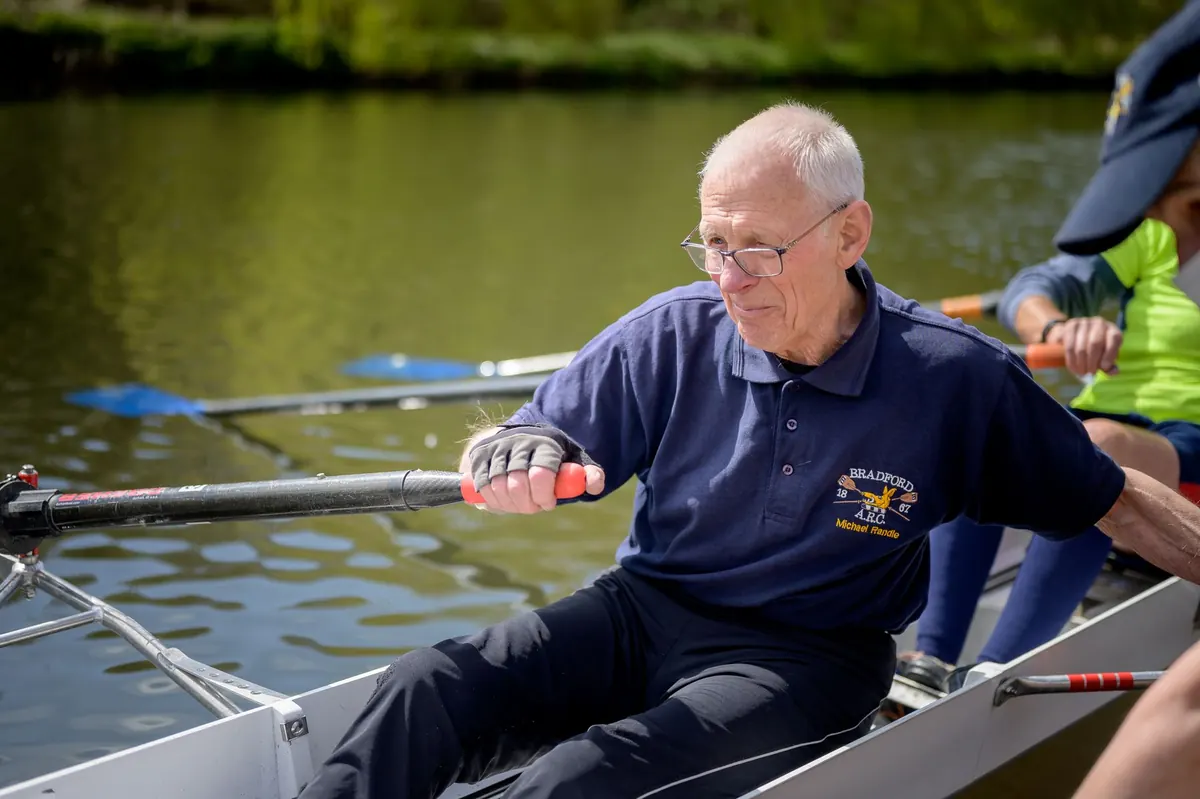
On-water rowing is the reverse: you are the engine, and the boat, oars, and water are a system you have to manage. Fitness gets you down the course, but technique decides whether the hull runs or drags. That single difference drives almost every practical trade-off between the two.
Indoor rowing is the cheaper entry point by a wide margin. A basic air-resistance machine costs less than most people spend on a few months of club dues, and a used one in good condition can cost a fraction of new. Ongoing costs are small: a little chain oil, occasional seat-roller or bungee replacement, and batteries for the monitor. Space is the real constraint. Most machines need roughly seven to eight feet of floor when in use, and they are awkward to fold away.
On-water rowing spreads its costs across several buckets that people forget when they compare a boat's price tag to an erg's:
None of that makes on-water rowing a bad investment, only a bigger one. Run the numbers over three years rather than one season before deciding, and if you are weighing a large purchase against your wider finances, talk it through with someone who knows your situation.
This is where the indoor rower is almost unbeatable. It lives in your house or your gym. You can row at 5:40 a.m. in January, in the rain, during a work call break, with no one to coordinate with. A 25-minute session means 25 minutes plus a shower.
Water rowing asks for cooperation. You need daylight or club lighting, a launch window, manageable wind, and water that is not frozen or dangerously cold. You need to travel to a boathouse and rig a boat. Beginners also need a coach or an experienced partner for a while, which is good practice, not a formality. The payoff is that you are outside, moving across a surface that pushes back in interesting ways, and that is exactly why many people put up with the logistics.
Both formats will make you fit. The difference is how the effort is distributed.
On a machine, nothing limits you but your fitness and your willingness to suffer. Pace is instant and honest: you see your split per 500 meters in real time, so intervals are easy to pace and easy to compare week to week. That predictability makes the erg excellent for structured training. It also makes it easy to overdo. Because the seat and handle guide your movement, a tired rower can keep grinding with rounded shoulders and a shortened drive, which tends to load the lower back.
In a boat, your muscles also work to keep the hull level, to hang on the blade, and to hold a long, connected stroke. If your technique falls apart, the boat slows down immediately, so you feel your mistakes rather than reading about them. Effort is less measurable and more variable. Two outings at the same perceived effort can produce very different training loads depending on wind and water. Steering, turning, and dealing with chop all add a coordination tax that no monitor captures.
This is the part people get wrong in both directions.
From the erg to the water: you arrive with a strong engine, a sense of rhythm, and the discipline to hold a stroke rate around 20 to 24 instead of racing every stroke. You understand the sequence: legs, then body, then arms, then the reverse on the recovery. That saves months of fitness-building. What you do not have is balance, blade feel, feathering, or any idea what the boat is about to do.
From the water to the erg: rowers bring a connected drive and a sense of ratio, the long recovery that feels patient rather than lazy. On a machine, though, that precision is optional. A poor stroke still moves the handle, which means bad habits can survive on an erg that a boat would punish.
If you plan to row on water eventually, get a few coached sessions on the erg first. It is much easier to build a clean stroke from scratch than to unlearn a rushed one.
Before you spend, test. Use a gym erg for two weeks and follow a simple plan: one session of six to eight hard 500-meter efforts with easy paddling between, one 30-minute piece at rate 20, and one easy 20 minutes focused on a long, relaxed recovery. If you look forward to those sessions, buy a machine. If you find yourself bored, your answer is probably water.
For water, book a beginner lesson or a club open day. You will know within an hour whether the wobble and the cold bother you more than the glide delights you. If it delights you, rent club equipment for a season before buying; you will make a far better purchase once you know what you actually like rowing.
Many rowers end up with both: an erg in the garage for winter fitness and measurable work, and a boat or club membership for the part that made them fall in love with the sport. Start with whichever one you will actually use next week, and let the other follow.
Photo: Marjonhorn / Pixabay

All about rowing as a hobby.
Copyright © 2026 Row Hobby. All rights reserved. Row Hobby.