October 10, 2026


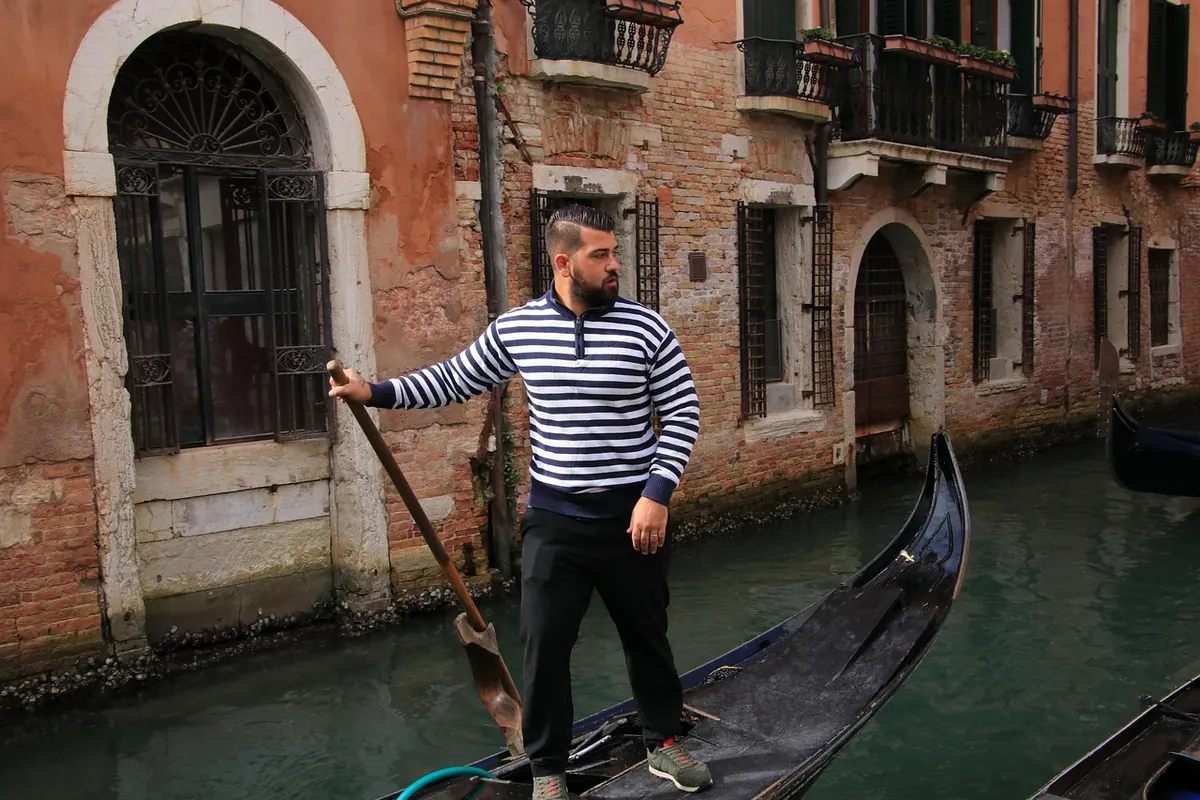
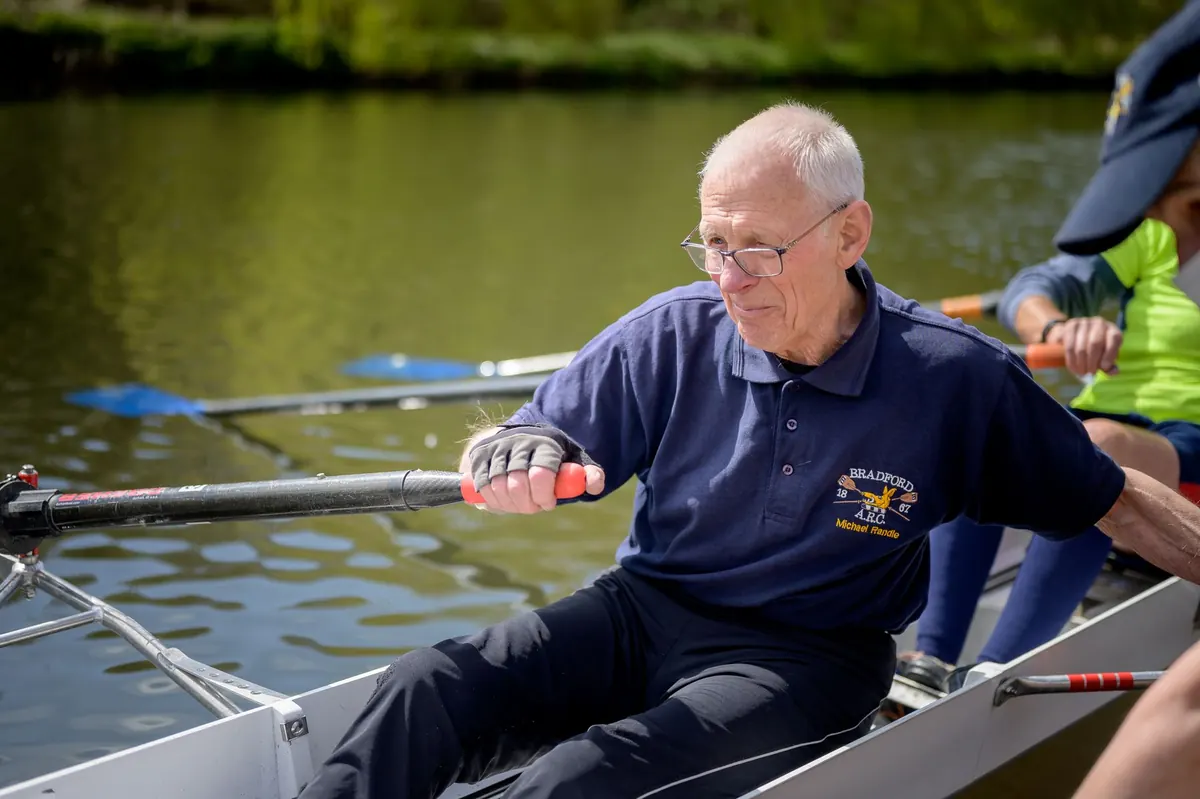
Every rower knows the feeling: the boat sits heavy, the splits creep up, and nothing you try at the finish seems to fix it. The problem is almost never where you think it is. It's usually at the catch, or in how the drive began, or in a recovery that hurried the next stroke before the boat had finished running. Breaking the stroke into its four phases and drilling each one on its own is the fastest way to find out what your boat is actually doing.
Before you separate the stroke into pieces, hold onto two constants. The first is posture: a tall, relaxed spine with the chest open and the shoulders sitting in front of the hips, not behind them. The second is sequence. On the drive, the order is legs, then body, then arms. On the recovery, it reverses: arms, then body, then legs. That's it. Almost every technique problem is a breakdown in one of those two places.
If you keep a mental see-saw in your head — handle speed one way, boat speed the other — you'll also remember that the recovery is not a rest. It's the setup for the next catch.
The catch is the moment the blade meets the water. Shins vertical or close to it, body rocked forward from the hips rather than curled, arms long and relaxed, blade squared and ready. The common mistake is trying to generate power here. The catch should feel like placing the blade into a moving stream, not stabbing at it. If you hear a splash, you've either missed water or dug too deep.
The drive is where the boat moves, and it's a push, not a pull. The legs press against the footstretcher, the body swings from the hips, and only then do the arms finish the job. Think about hanging off the handle rather than squeezing it. Grip pressure should be light enough that your forearms stay relaxed until the last third of the stroke.
Watch your puddle. If the water behind the blade is churning white and noisy, energy is going sideways instead of backwards. A firm, dark, quietly moving puddle is what you want.
Coaching cue worth repeating: the handle should be moving fastest as the blade leaves the water, not as it enters.
At the finish, the handle comes to the lower ribs, elbows relaxed and slightly out to the sides, with a small amount of layback that comes from the hips. The blade stays buried until the very end. Then you tap down — a quick downward movement of the hands, not a wrist flick — and feather as the blade comes clear.
Rowers who struggle with balance usually struggle here. A finish that drags in the water or lifts too high both cost you run. Think of the tap down and the feather as one smooth motion, done with the outside hand.
The recovery is the longest part of the stroke, and most crews waste it. Hands away first, quick and light. Then the body rocks over from the hips. Only then does the seat start to move up the slide. Many coaches aim for roughly two to three times as long on the recovery as on the drive, and the exact ratio matters far less than the order.
If your boat checks — slows sharply — at the catch, the cause is usually a fast slide and a late body rock. Slow the slide down and the check tends to disappear.
You don't need to drill all of this at once. Pick one phase per session and give it ten or fifteen minutes of focused work, then row normally for the rest of the outing so the change has a chance to settle in. Rotate through the phases over a couple of weeks.
Two habits make the process faster. First, ask someone to film you from the side, or set up a phone on the bank; what a stroke feels like and what it looks like are rarely the same. Second, keep the drills easy. Technique work at high rate or full pressure rarely sticks.
If a change causes persistent pain — especially in the lower back, ribs, or wrists — stop, and get input from a qualified coach before pushing on. For anything that lingers or worries you, see a medical professional. Good technique should feel easier, not harder, and the sessions where you slow the stroke down are usually the ones that make you faster.
Photo: david hou / Pexels
All about rowing as a hobby.
Copyright © 2026 Row Hobby. All rights reserved. Row Hobby.