October 10, 2026


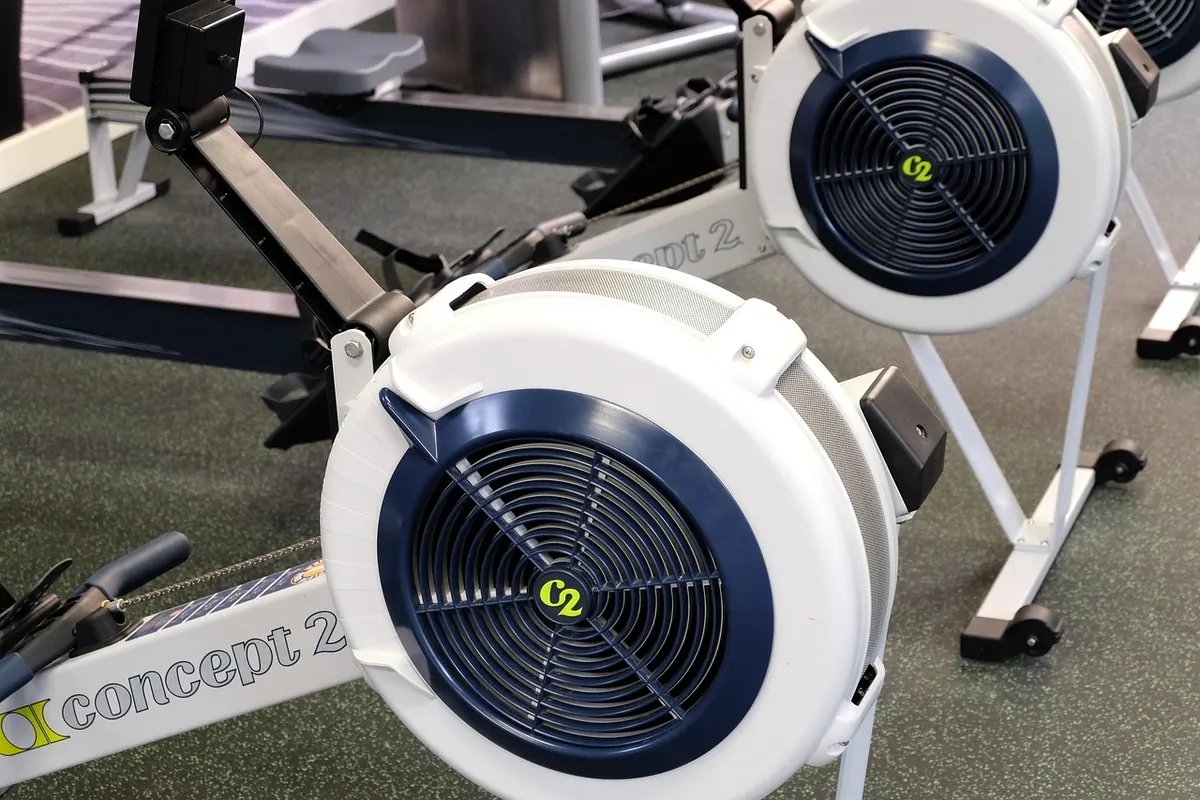
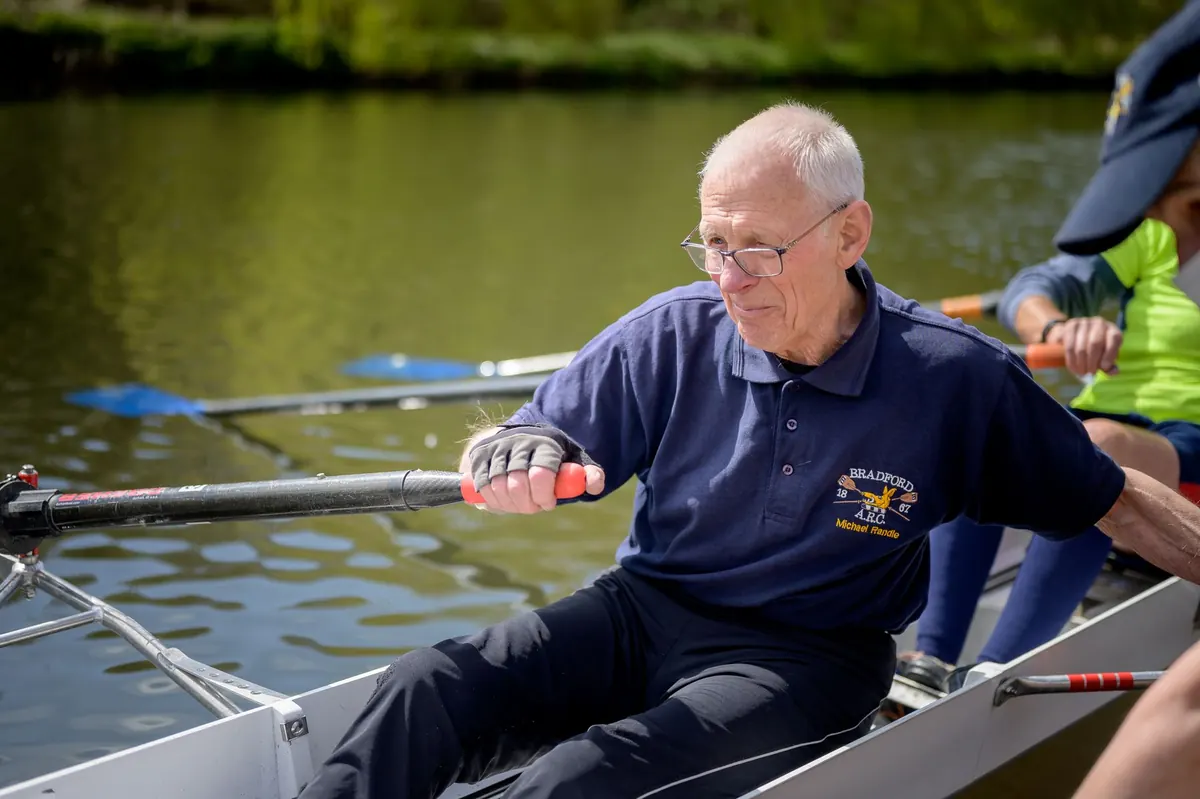
Walk into most gyms and you'll see the same scene: a rowing machine set to damper 10, foot stretchers still sitting in the position they left the factory in, and a monitor showing numbers the rower has never adjusted. Ten minutes later the person on the seat climbs off, feels the work mostly in their lower back, and decides rowing isn't for them.
The machine usually isn't the problem. Setup is. Feet, damper and monitor take a couple of minutes to sort out, and getting them right changes the feel of the stroke from the very first pull. A properly set-up rower feels smooth and connected; a badly set-up one feels like a fight you're losing in your spine. Once you know your numbers, they travel with you — the same settings work on any rower of the same model.
Everything in a rowing stroke passes through your feet, so this is the adjustment worth fussing over. On most machines there are two things to move: the height of the footplate and the strap that crosses your foot. Do them in that order — strap first, then height.
Loosen the strap, place your feet on the plate, and slide it so it crosses the widest part of your foot — roughly the base of your toes. Not the middle of your instep, not up over the toes themselves. Tighten until your foot is held firmly but your toes can still move. If your feet go numb twenty minutes into a session, the strap is either too tight or sitting too high.
Check it from the side once you're strapped in: your heel should sit flat on the plate, and the strap should look like it's holding the ball of your foot rather than pinning your arch.
Move the footplate up or down one hole and row for a minute to feel the difference. You're looking for a catch position where your shins are close to vertical, your heels rest on the plate, and you can reach forward without your knees jamming into your chest. A slight heel lift at the very front of the catch is normal. Heels that pop up early in the drive, or a cramped, folded-up feeling, mean the plate needs to move.
Ignore anyone who tells you there's one correct hole number. Leg length, ankle flexibility and hip mobility all vary, and the only test that matters is how the catch feels while you're rowing. Take note of the number once you find it.
Ankle flexibility is the usual culprit when nothing quite works. If your heels lift no matter which hole you choose, try dropping the plate a notch and spend a few weeks rowing with your heels down through the recovery, letting the stretch come gradually.
Ten is not the hardest workout, and one is not the easiest. The damper controls how much air reaches the flywheel. More air means the flywheel is harder to spin up, so each stroke costs more effort at a given speed. That's the whole story.
What actually matters is drag factor. Two machines can both read damper 5 and feel completely different, because dust in the flywheel housing, air density and altitude all change how much air moves through the cage. Drag factor is the number the monitor calculates from how quickly the flywheel slows between strokes, and it's the number worth comparing. On a Concept2 monitor, go to Main Menu, then More Options, then Display Drag Factor, and row a handful of strokes to read it.
Most recreational rowers settle somewhere between roughly 110 and 140. Beginners and lighter rowers usually do best at the lower end of their range; heavier, stronger rowers often prefer a heavier flywheel. Rowers who race on the water tend to keep drag factor moderate, so the drive speed on the machine resembles the speed of a boat.
To choose, row two minutes at one setting, then two minutes at another, keeping your effort the same, and compare pace and feel. A drag that's too heavy makes the catch feel like a tug-of-war and encourages short, mushy strokes. Too light and you'll spin without ever loading the legs — your rate climbs, your split barely moves, and your lungs quit long before your muscles do.
A useful habit is to assign yourself a working drag factor and leave the damper alone. Something like 110–115 for long steady rows, 120–130 for hard intervals, and a touch higher for short sprints. If you find yourself reaching for the damper every session, you're usually looking for a change in effort, not resistance. Reach for the pace target instead.
The monitor is the third piece of the setup, and most people skip it entirely. Two settings in particular change how you train.
Pace per 500 metres is a speed, and speed is what you can compare from day to day — watts fluctuate with bodyweight and altitude, and calories are a rough estimate at best. Learn your split for an easy pace and a hard pace, and you'll know within a few strokes whether a session is going well.
If the monitor has a workout function, use it. Programming a 2,000 metre piece or a set of intervals means the monitor counts you down; deciding to do it "when you feel ready" usually means you don't.
If you only remember one number, remember your drag factor. Footplate holes and damper clicks mean different things on different machines — drag factor means the same thing everywhere.
None of this takes long, and none of it is complicated. Set your feet, pick a drag factor you can repeat, put the useful numbers on the screen, and the rowing machine stops being a mystery machine. It becomes what it was designed to be: a way to train the whole body, with every stroke measured and every stroke yours.
Photo: contact1896 / Pixabay

All about rowing as a hobby.
Copyright © 2026 Row Hobby. All rights reserved. Row Hobby.