October 10, 2026


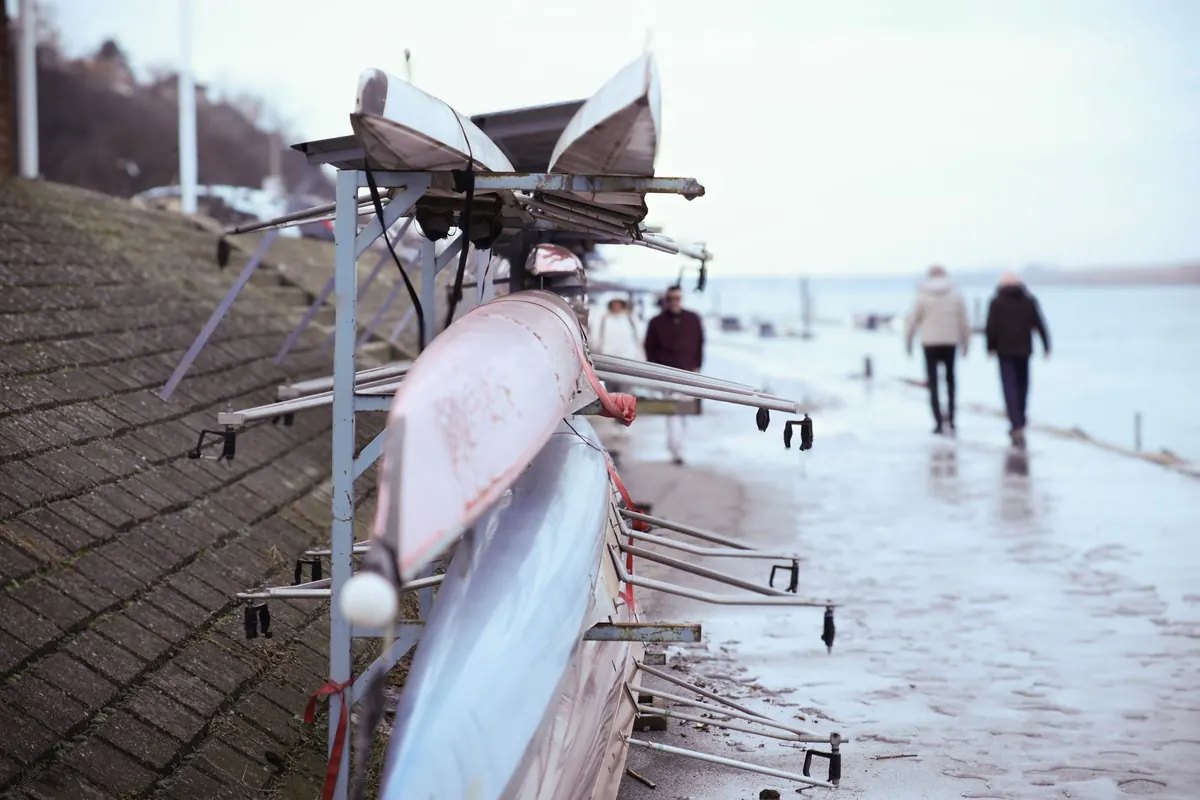
Come the first hard freeze, the dock comes out, the lake turns gunmetal, and someone in the boathouse says the sentence every rower dreads: "See you in March." What you do between that moment and the thaw decides how your spring feels. Ten weeks of nostalgia for flat water will show up in your first 2k, and not kindly. Winter isn't a pause between real rowing. It's the block where your aerobic base, your strength and your patience get built.
Before you write a single session into a calendar, work out where you actually are. Pick a test you can repeat — a 2k or 6k on the erg, a 30-minute piece for distance, a step test — and record the result. Then set two or three targets that don't depend on weather: a split you want to hold, a weight you want to move for five clean reps, a number of sessions you'll complete each week.
Build the week around three or four erg sessions, two strength sessions and one or two cross-training days, with a genuine rest day in there. If that sounds like a lot, cut it down to what you'll honestly do in a busy week. Consistency at 80 percent beats a perfect plan abandoned by January, and it's far kinder to your tendons. If you're managing an injury or a health condition, get clearance from a physio or doctor before you start adding load.
The erg isn't a punishment. Used well, it's the most specific tool you have all winter, and the easiest one to waste. The classic mistake is grinding the same medium-hard 30 minutes every time: hard enough to leave you tired, too easy to drive adaptation in any one direction. Split your erg work into three kinds of session.
Long, conversational pieces of 40 to 70 minutes at rate 18–22 build the aerobic engine and, just as valuable, teach you to relax while working. You should be able to speak in short sentences. Focus on length at the catch, a connected drive and a patient recovery rather than chasing splits. If your form falls apart in the last ten minutes, the session was too long or too hard.
Short, honest and repeatable. Think 6 x 500m with two minutes rest, 4 x 1000m, or 8 x 250m at race pace. Choose paces you can hit on the last rep as well as the first. Keep the rate under control — if the rate climbs and the splits don't drop, you're spinning, not rowing.
Fifteen minutes at the start of a session, before you're tired, is enough to make real changes. Feet-out rowing, pause drills at the catch and the finish, rate ladders and the pick drill all sharpen the stroke. Prop your phone against a water bottle and film 20 strokes from the side, then from the front. You'll spot things no coach can describe to you.
Two strength sessions a week is plenty in winter; three is the upper limit for most people who are also erging. Skip the bodybuilding splits and the complicated circuits. What moves a boat is a strong posterior chain, a stable trunk, and shoulders and arms that can hold a long drive without collapsing.
Anchor each session in a few big movements, then add accessory work:
Keep the main lifts in the 5–8 rep range and finish each set feeling strong, not wrecked. Add a couple of higher-rep sets of hip hinges or split squats at the end for muscular endurance. If you've never lifted seriously, spend the first few weeks learning the patterns with light weight, ideally with someone watching your form. A back injury in January costs you the entire season.
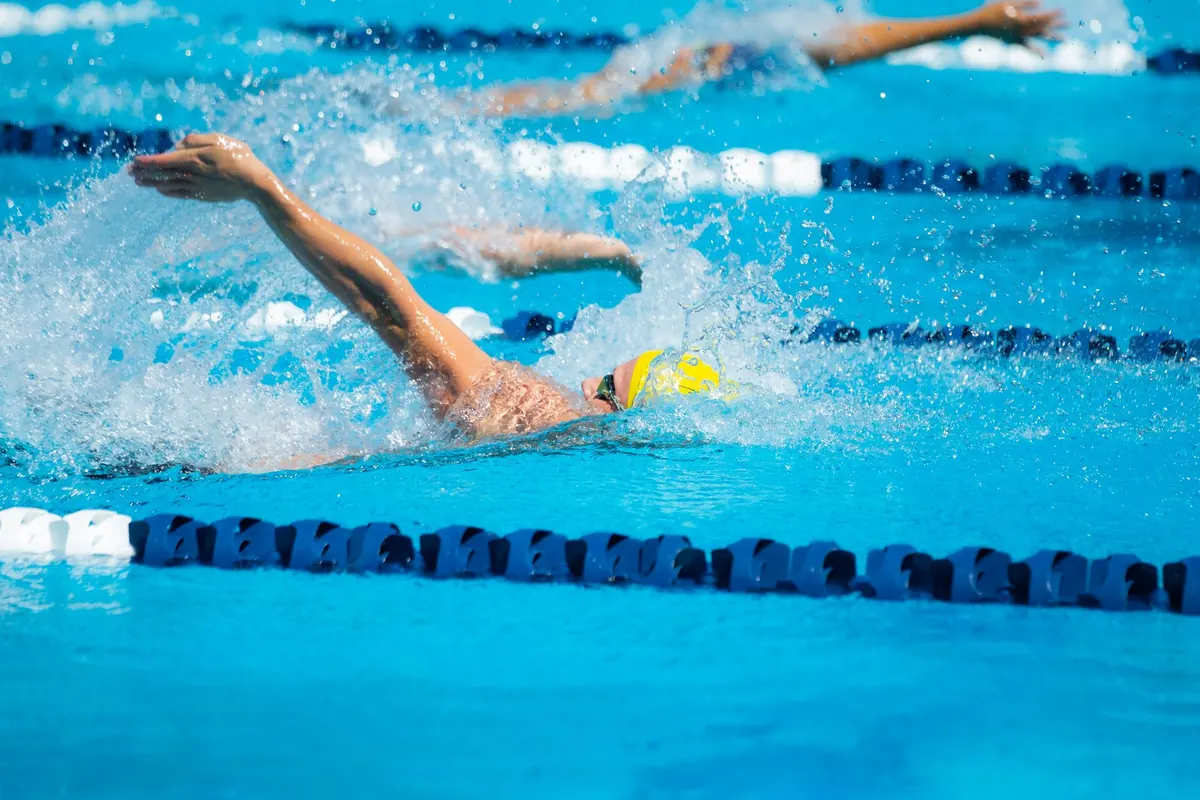
Variety isn't only about boredom. Rowing loads the same joints and the same pattern thousands of times a week, so winter is a good moment to give them something different while keeping the engine running.
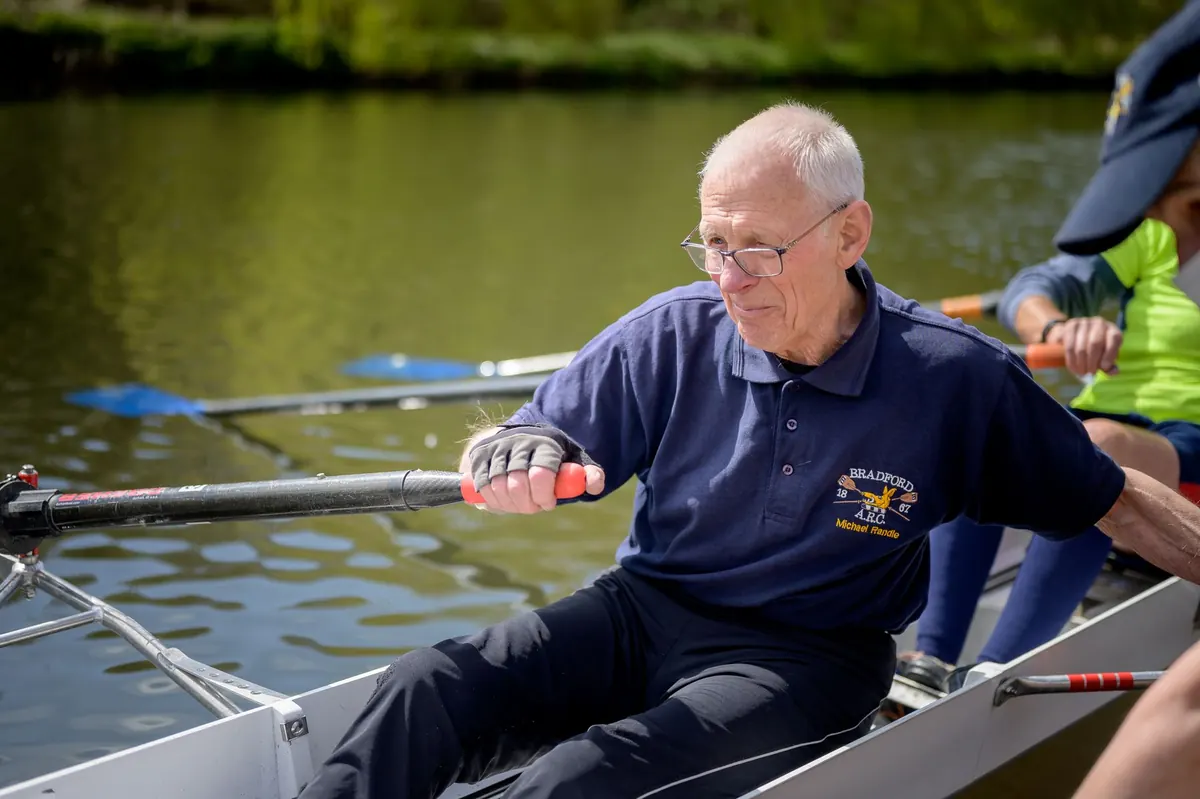
Aim for one or two of these a week rather than a whole new sport. The point is to arrive at the boathouse in March with a fit engine and a body that hasn't forgotten the movement.
March always feels further away than it is. Sessions get skipped less often because of fitness than because the reason for doing them feels abstract. Set process goals — sessions completed, technique checkpoints, a personal best on a repeatable test — rather than outcome goals you can't control. A logbook full of small wins does more for motivation than any pep talk.
Use imagery, too. Ten minutes, three or four times a week, of mentally rowing a race at pace: the catch, the pressure, the rhythm, the move with 500 metres to go. It doesn't replace training, but it keeps the specific skill of racing alive and makes the first hard piece back on the water feel familiar instead of shocking. And train with other people when you can. A Tuesday-night erg group, a club challenge on the machines, a shared long ride — the accountability is worth more than the session plan.
Nobody expects you to be fast in February. That's exactly why it's the best time to get faster.
Here's a template to adapt, not to follow blindly:
Test every six to eight weeks, adjust the plan, then repeat. Do that and putting the dock back in won't feel like starting over — it'll feel like picking up where you left off, only stronger. If something hurts in a way that doesn't settle within a few days, see a physio rather than pushing through it and losing the spring you just spent all winter building.
Photo: Bojana J / Pexels

All about rowing as a hobby.
Copyright © 2026 Row Hobby. All rights reserved. Row Hobby.